


Uncovering the myths and facts about casino gambling
The Origin of Casino Myths
The world of gambling has a rich and storied history that spans centuries, leading to a multitude of myths and misconceptions surrounding casino games. Many individuals mistakenly believe that luck is the only element at play when it comes to winning in casinos, overshadowing the critical roles that skill and strategy play. These myths often stem from intriguing tales of remarkable wins and infamous losses that have been passed down through generations, with some players even choosing to explore options like acting on Hadesbet . Such narratives create unrealistic expectations for newcomers, who may enter the gaming environment with a skewed understanding of what it truly takes to be successful.
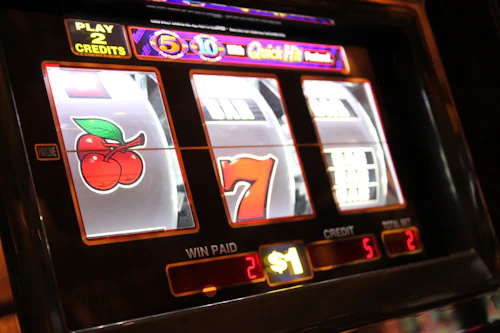
Additionally, the glamorous atmosphere of casinos contributes to the perception that they are inherently deceptive establishments. The bright lights, alluring sounds, and the constant flow of money create an environment ripe for the proliferation of myths. A common belief among players is that they can identify “hot” or “cold” machines, thinking that past results influence future outcomes. In reality, every game operates independently, and understanding statistical probability can help dispel these falsehoods, allowing players to make more informed decisions about their gameplay.
Moreover, misunderstandings about the house edge often fuel these myths. Many players assume that the odds are stacked so heavily against them that winning is nearly impossible; while it’s true that casinos maintain an advantage, the choices players make and the strategies they employ greatly impact their chances of success. By demystifying these myths, individuals can approach gambling with a more informed and realistic mindset, which can ultimately enhance their overall gaming experience.
Common Misunderstandings About Winning
A prevalent myth in the casino realm is the notion that certain games offer better odds than others, leading players to believe they should exclusively play those for consistent victories. While it is accurate that games like blackjack and poker tend to offer better odds compared to slots or roulette, this does not guarantee repeated success. Inexperienced players often overlook the strategic elements required to maximize these odds, failing to recognize that skill can play a more significant role than mere luck in these scenarios.
Another common misunderstanding revolves around high-stakes players supposedly having a greater likelihood of winning. The reality is that anyone, regardless of the size of their bets, can experience both winning and losing streaks. Casinos are designed to entice players, which can lead to the false belief that larger bets equate to larger wins. However, focusing on effective bankroll management and a thorough understanding of game mechanics can be far more beneficial than simply chasing higher stakes in hopes of success.
Furthermore, many players fall prey to the belief that they can outsmart the system through various strategies or systems promoted by self-proclaimed experts. These systems often promise guaranteed victories, yet they can be misleading. The truth is that the design of most casino games revolves around chance, and no strategy can consistently ensure a win. By recognizing these realities, players can approach their gambling experiences with a greater sense of clarity and enjoyment, avoiding the pitfalls of false expectations.
The Impact of Gambling Addiction
Gambling addiction is a significant issue that often goes unnoticed amid the glitz and glamour of casinos. Contrary to the light-hearted perception many hold, the consequences of gambling addiction can be dire, impacting not only the gambler but also their families and communities. While many individuals see gambling primarily as a form of entertainment, for some, it can swiftly evolve into a compulsive behavior leading to substantial financial, emotional, and social repercussions.
There’s a prevalent myth that only specific types of individuals develop gambling problems, which can lead to stigma and a lack of understanding surrounding the issue. In truth, gambling addiction does not discriminate; it can affect individuals from all walks of life, regardless of their financial background, age, or lifestyle. Recognizing the signs of gambling addiction—such as preoccupation with gambling, chasing losses, and neglecting responsibilities—is crucial for early intervention and support.
The gaming industry has made notable progress in addressing gambling addiction through awareness campaigns, responsible gaming initiatives, and self-exclusion options. However, these measures are only effective when players are well-informed about the risks and signs of addiction. By understanding the realities behind these myths, we can promote healthier gambling practices and create a supportive atmosphere for those who may be struggling with addictive behaviors.
The Role of Technology in Modern Gambling
In recent years, technological advancements have reshaped the gambling landscape, bringing both exciting innovations and new misconceptions. The rise of online casinos and mobile gaming platforms has made gambling more accessible than ever, but this convenience can also lead to misunderstandings regarding the risks involved. Many players mistakenly believe that online gambling is inherently less risky than playing in physical casinos, yet the potential for addiction and financial mismanagement exists in both environments.
Another misconception stemming from the digital shift is the belief that online games are less legitimate than their brick-and-mortar counterparts. In reality, reputable online casinos employ sophisticated Random Number Generators (RNGs) to ensure fair and unbiased game outcomes. Educating oneself about these technologies can help dispel myths surrounding online gambling being a scam and encourage players to engage with these platforms in a safe and responsible manner.
Additionally, the emergence of data analytics and artificial intelligence in gambling has sparked new myths about predicting outcomes. Some players have the misconception that data can help them foresee game outcomes, leading them to rely on algorithms instead of honing their skills or understanding the games they play. Although data can provide valuable insights into trends, it’s important to remember that the outcomes in gambling are ultimately based on chance. Emphasizing the significance of skill and informed decision-making in gambling can vastly improve the overall experience, irrespective of the platform used.
Understanding Casino Resources and Support
Many individuals remain unaware of the extensive resources available for those looking to gain a deeper understanding of casino gambling. Various websites dedicated to gambling education provide valuable insights into the odds, rules, and strategies associated with different games. These platforms serve as excellent resources for both novice players and seasoned gamblers aiming to enhance their skills and knowledge, ultimately leading to more informed and enjoyable gaming experiences.
Support groups and organizations play a vital role in promoting responsible gambling. These entities often offer educational materials and counseling services designed to help individuals recognize unhealthy gambling patterns and seek assistance when needed. It is crucial for players to utilize these resources, as they empower individuals to make informed choices about their gambling habits and promote a healthier relationship with gaming overall.
Furthermore, many casinos are proactively addressing the issue of responsible gambling through informational campaigns and self-exclusion programs. Players are encouraged to take initiative regarding their gambling habits and seek help if they feel they are losing control. By familiarizing themselves with these resources and support systems, players can cultivate a healthier relationship with gambling, allowing them to enjoy the entertainment it offers while minimizing potential risks.

About Post Author
