


Exploring the psychology behind winning at casinos What really drives players
The Thrill of Anticipation
One of the most compelling psychological drivers behind casino gaming is the thrill of anticipation. Players experience a rush of excitement as they place their bets, combining hope with the potential for a significant payout. This anticipation taps into the brain’s reward system, releasing dopamine, which creates a sense of pleasure and fuels the desire to play. The unpredictability of games increases this thrill, as the outcome is often uncertain until the very last moment. It’s no surprise that many enthusiasts actively seek out opportunities to sweeps casinos that promise both excitement and reward.
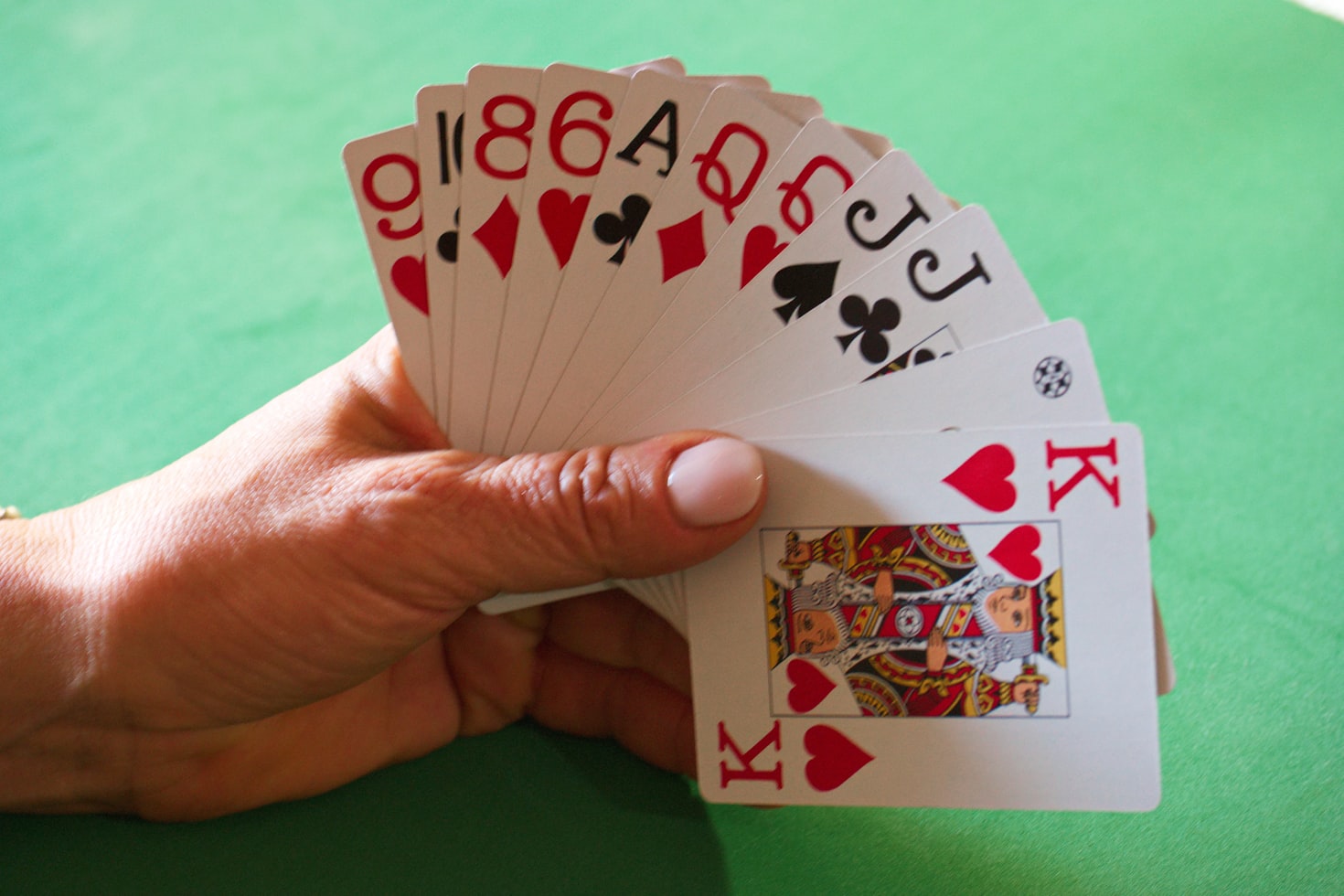
This excitement can often lead to a cycle of behavior where players return repeatedly, drawn back each time by the prospect of a jackpot. The psychological high from winning, combined with the hope of a future win, keeps the players engaged. Casinos are designed to amplify this experience, with sounds, lights, and other sensory stimuli that enhance anticipation and draw players deeper into the gaming environment.
The Role of Cognitive Bias
Cognitive biases play a significant role in how players engage with casino games. One common bias is the “Gambler’s Fallacy,” where players believe that past results can influence future outcomes. For instance, after a series of losses, a player might feel that a win is “due,” leading them to bet larger amounts, convinced that luck must change. This fallacy can lead to irrational decision-making and increased spending, as players chase losses in hopes of reversing their fortunes.
Additionally, the “illusion of control” can impact how players perceive their chances of winning. Many players believe they can influence the outcome of games through strategies, even in purely chance-based games like slots. This perception can heighten their engagement, encouraging them to invest more time and money into the experience, despite the odds being fundamentally against them.
The Social Aspect of Gaming
Casinos also serve as social hubs, where interaction and community play crucial roles in the gaming experience. Many players are drawn to the shared excitement of the casino environment, whether they participate in table games or slot machines. The camaraderie and shared experiences with other players can enhance the enjoyment and make the experience more appealing.
Moreover, social influences can also drive players to continue gambling. Peer pressure or simply the buzz of a lively casino atmosphere can lead individuals to play longer or wager more than they initially planned. The social dynamics at play can create a sense of belonging and connection, which can be particularly appealing for those who might be seeking entertainment or companionship.
The Impact of Reward Structures
The reward structures in casinos are meticulously designed to keep players engaged. Slot machines, for example, are programmed to provide small, frequent rewards to reinforce behavior. This creates a feedback loop where players feel constantly engaged, leading to prolonged play. Each time a player wins, even a small amount, it reinforces their behavior and increases the likelihood of them continuing to play.
Additionally, loyalty programs and comp rewards can create a sense of value that keeps players returning, as they feel they are gaining something in return for their time and money. The idea of being rewarded can be incredibly enticing, compelling players to chase higher, more frequent rewards and fueling their desire to win.

Understanding the Player’s Journey
To understand the psychology behind casino gaming, it’s essential to recognize the journey players embark on. Each visit to a casino represents a blend of entertainment, hope, and the psychological highs of winning. The factors that drive players — from anticipation and cognitive biases to social engagements and reward structures — are intricately woven into the gaming experience.
As a player navigates this complex landscape, they often find themselves engaging deeply with the experience, sometimes beyond what they initially intended. Recognizing these psychological drivers can not only help players understand their own behaviors but can also inform casinos about how to foster a safe and enjoyable environment while ensuring the integrity of the gaming experience. The intersection of psychology and gaming indeed provides a fascinating perspective on what really drives players in the world of casinos.
About Post Author
